Message from the STEM Association's President
Dear educators, students, parents, and partners,
Every new edition of the STEMATHLON Contets is an opportunity to see how education can pave the way toward the future.
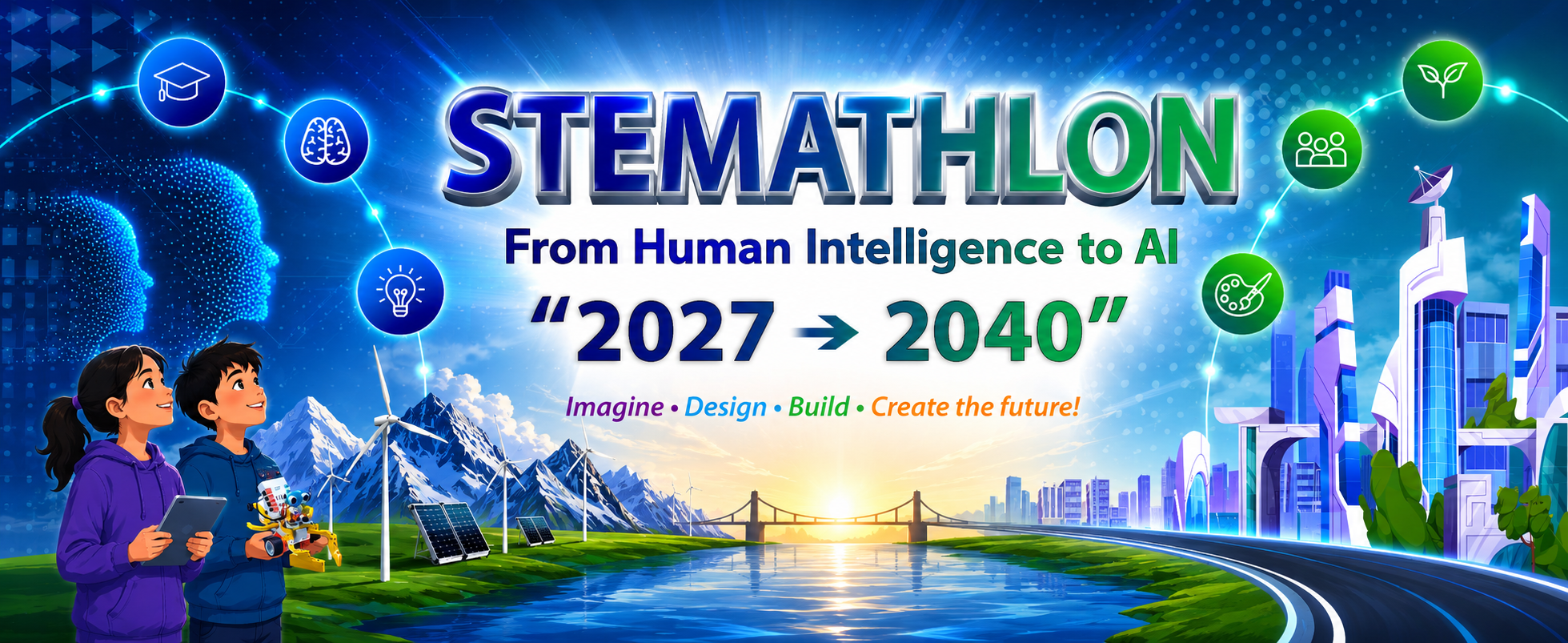
This year, we take another step forward and turn our gaze toward 2040.
"From Human to Artificial Intelligence: Our Life in 2040" is the overarching theme that will serve as the launchpad for the student teams' ideas and creations. We are not attempting to predict exactly what the world will look like in fourteen years. We are offering children the opportunity to imagine it, ask questions, and propose their own solutions.
How will we learn? How will we work? How will we travel and commute? How will we protect the environment? How will we produce food, care for our health, journey, communicate, and create?
These are just a few of the questions that can spark this year's student innovations.
Teams will have the chance to choose among 14 distinct thematic axes, spanning a broad spectrum of human activity: from Education, Culture, and Work to the Environment, Agriculture, Health, Transportation, Civil Protection, and Sports.
The common denominator across all of these is the relationship between humanity and technology.
Artificial Intelligence and emerging technologies are advancing at a rapid pace. What matters most, however, is not just knowing what machines can do. It is understanding why we build them, what problem we are trying to solve, and how we can harness them for the benefit of humanity and society.
This is precisely what this year's competition aims to cultivate.
Through building, coding, experimenting, and research, students will collaborate, test their concepts, tackle challenges, and explore alternative paths to reach a solution.
Perhaps this is the greatest value of such a competition: not merely the final product, but the journey taken to achieve it.
Educational robotics and STEM empower young minds to bridge theory and practice. They learn to transform an idea into a functional build, a question into an experiment, and a real-world problem into a viable solution.
Guided by this philosophy, we continue our mission—one that, for 25 years, has brought educational robotics and STEM to students and educators across Greece.
I wish this year’s teams creativity, strong collaboration, perseverance, and, above all, joy in the creative process.
The year 2040 may seem distant. Yet the people who will shape our daily lives back then are the very children sitting in our classrooms today.
Let us give them the space to imagine the future. And let us trust them to design it.
Ioannis Somalakidis
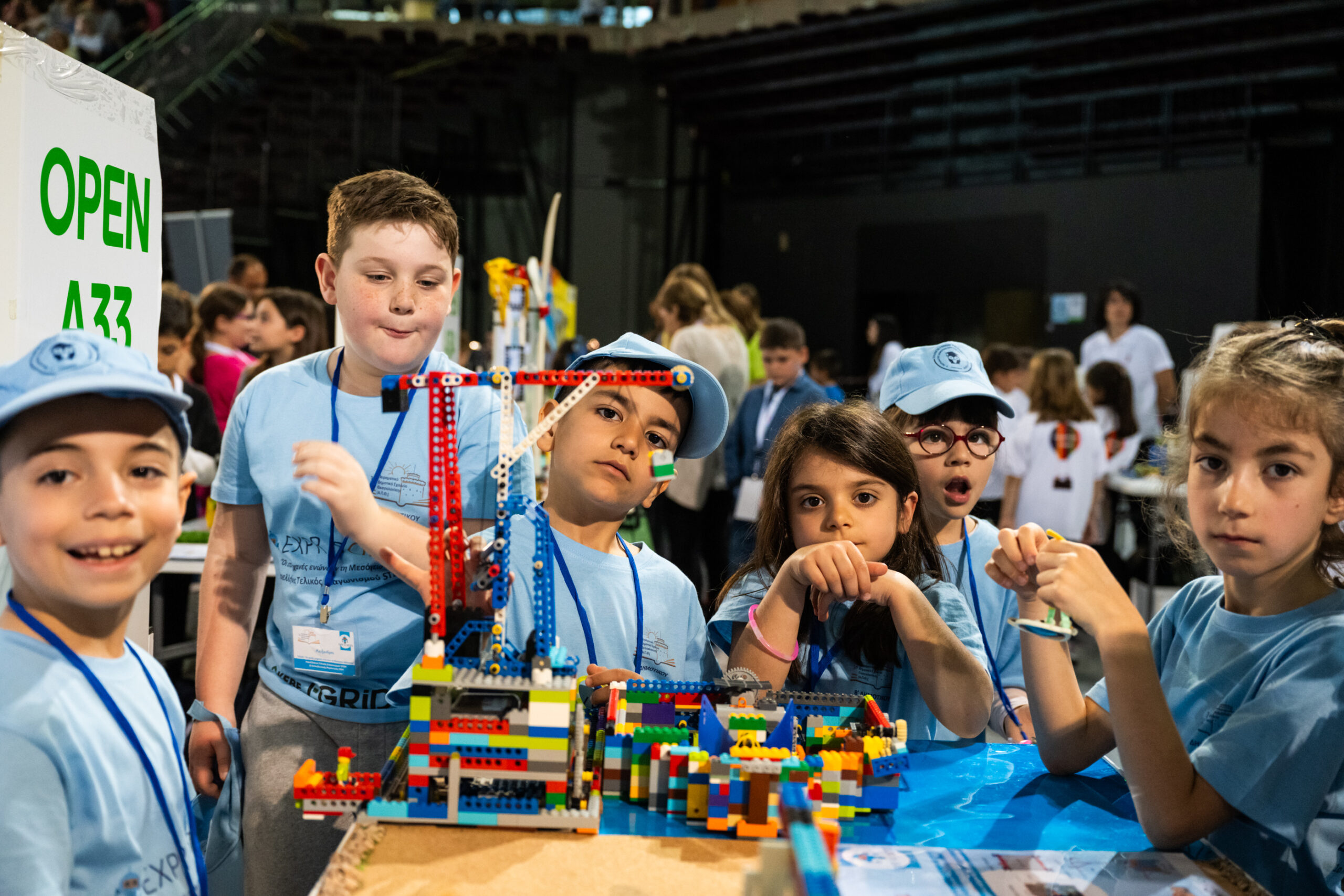
Early Elementary Category
For ages 6-9
Teams of 6 students and a coach
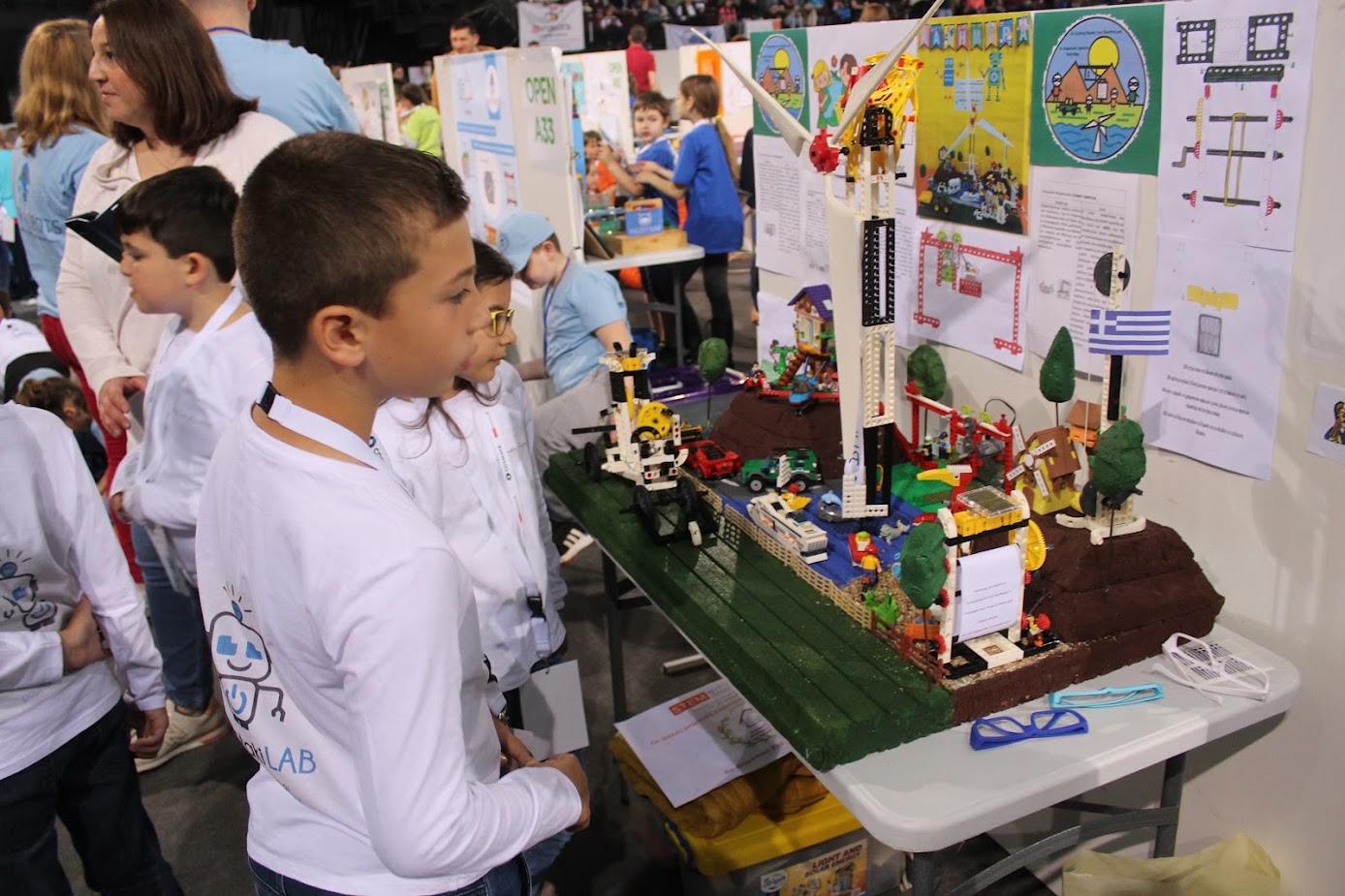
Higher Elementary Category
For ages 8-11
Teams of 3-6 students
Middle School Category
For ages 12-15
Teams of 3-6 students
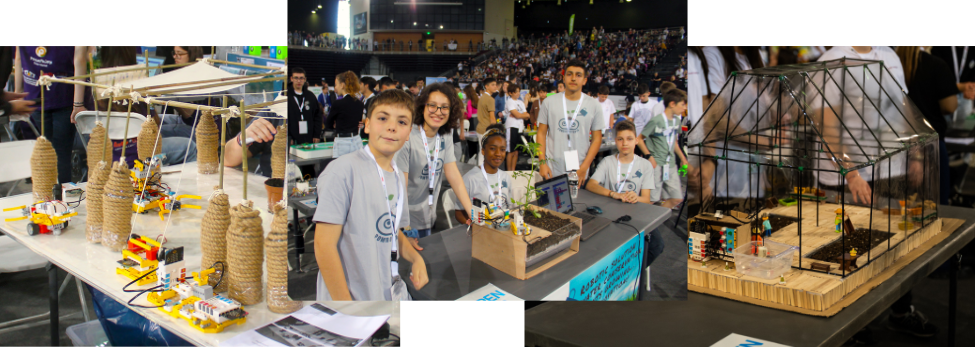
The team must research and gather information, build robotic systems and models, program them, and present the overall concept in a project aligned with the category’s theme. The overall system will consist of two parts: the main (autonomous) system, which will play an active role in the project, and the secondary (auxiliary) system, which will display the processed information. Among other functions, these systems must have the ability to collect real-time data, which, if necessary, will be processed in one of the two systems to extract reliable information.
Regular Category | Beginners
For ages 10-15
Teams of 2-3 students
Regular STEM is a challenge-based competition. Students must design, construct and program an autonomous robot to solve specific field challenges. Because the field is set up randomly each round, the robot needs to be able to make its own decisions during the run.
Football 2x2
For ages 6-9
Teams of 2-3 students
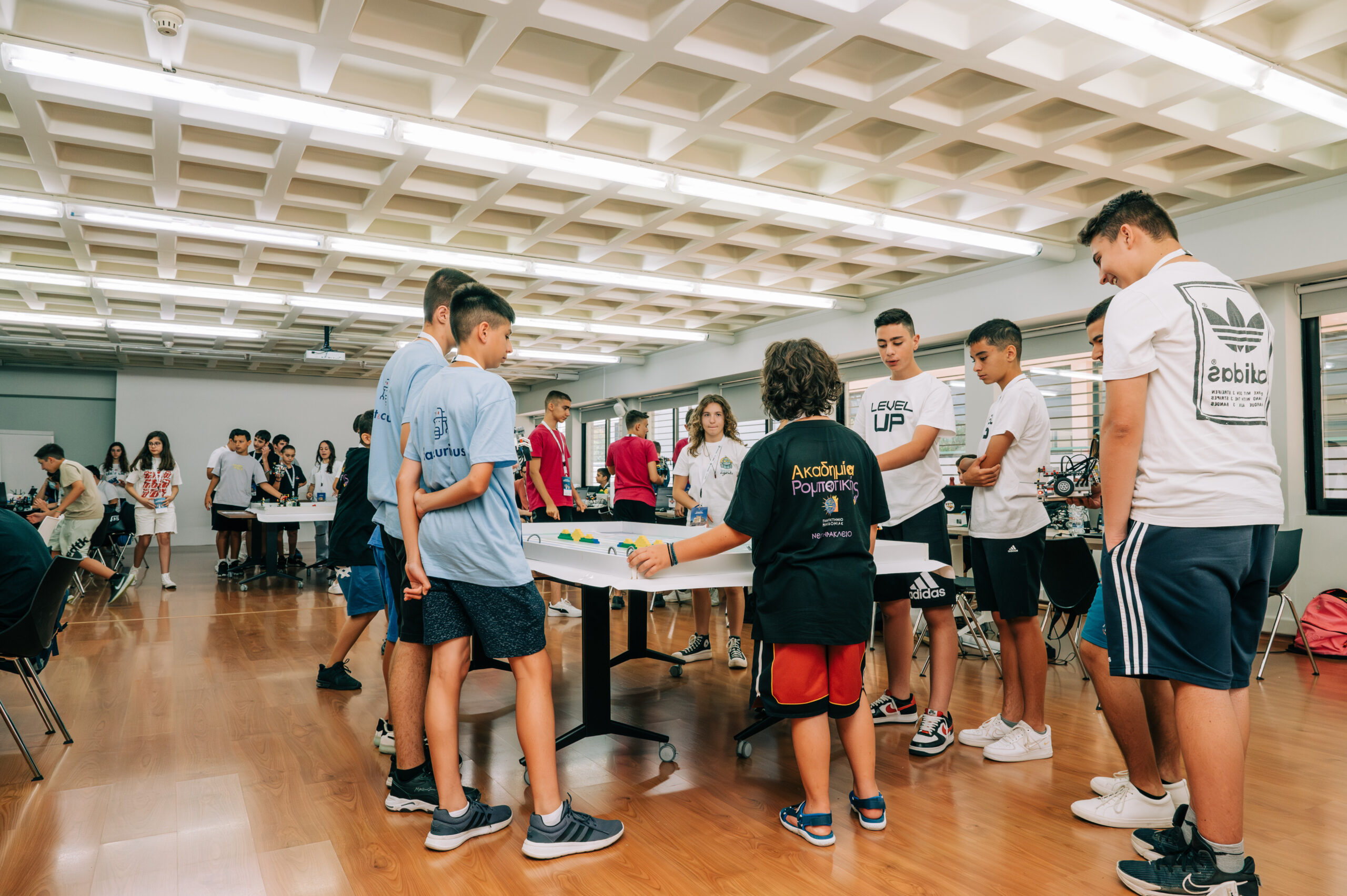
Football 2×2 is addressed to students of 1st - 4th grades of Primary School. In this game 2 rival alliances consisting of 2 remotely controlled robots each, chase a ball on a specially designed table (football field). The goal of each alliance is to win the game, scoring more goals than their opponents.
Competing as a team highlights the importance of cooperation.
BaSTEMball
For ages 8-12
Teams of 2-3 students
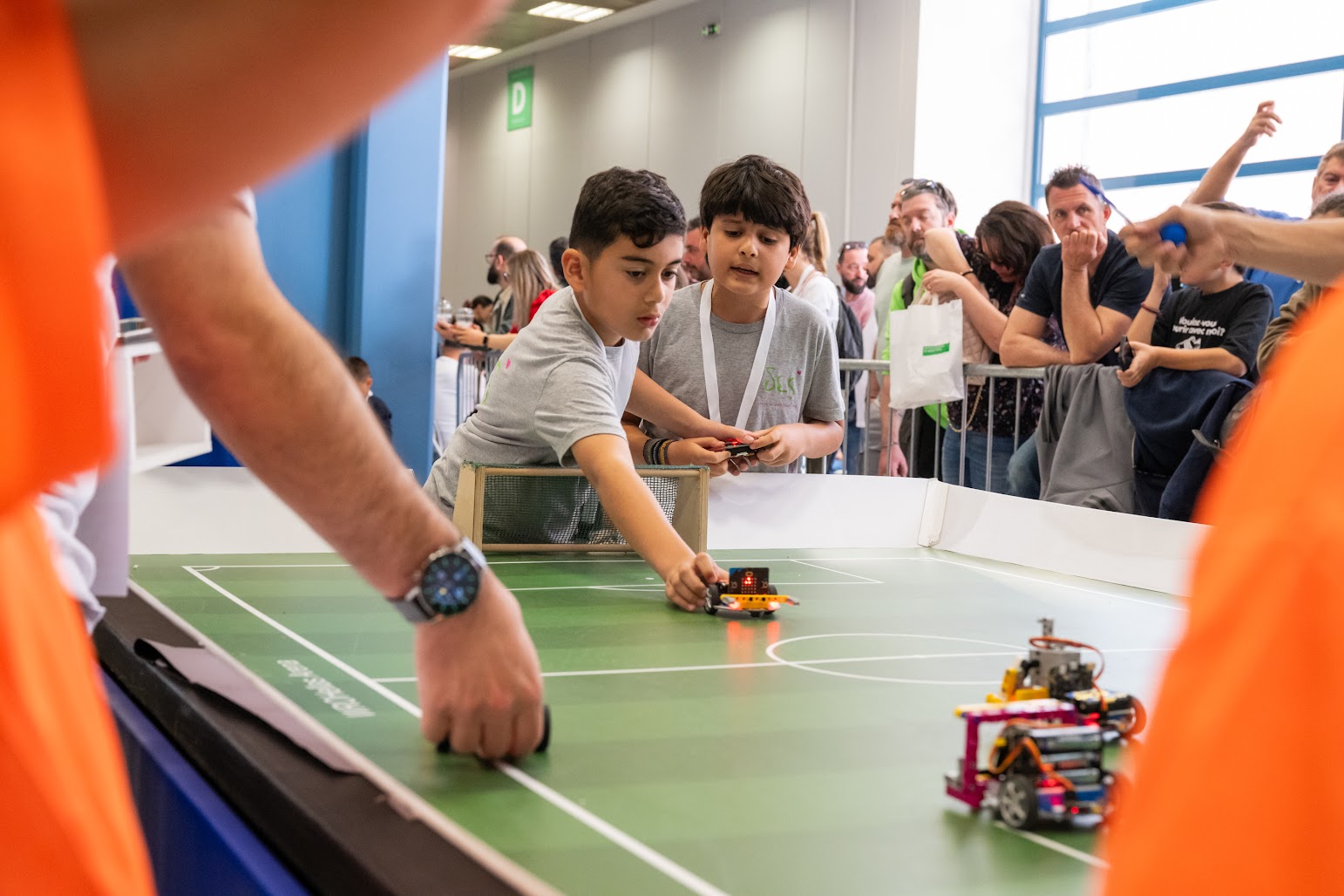
BaSTEMball is an exciting team game for primary school students. It is a basketball game where
2 rival alliances, consisting of 2 teams each, try to move their remote-controlled robots as fast as
they can and shoot from specific positions on the court (basketball court on a specially designed
table). The goal of each alliance is to win the game by scoring more baskets than their opponents
as fast as they can.
Competing as a team highlights the importance of cooperation.

Scientific Partner
Sponsors